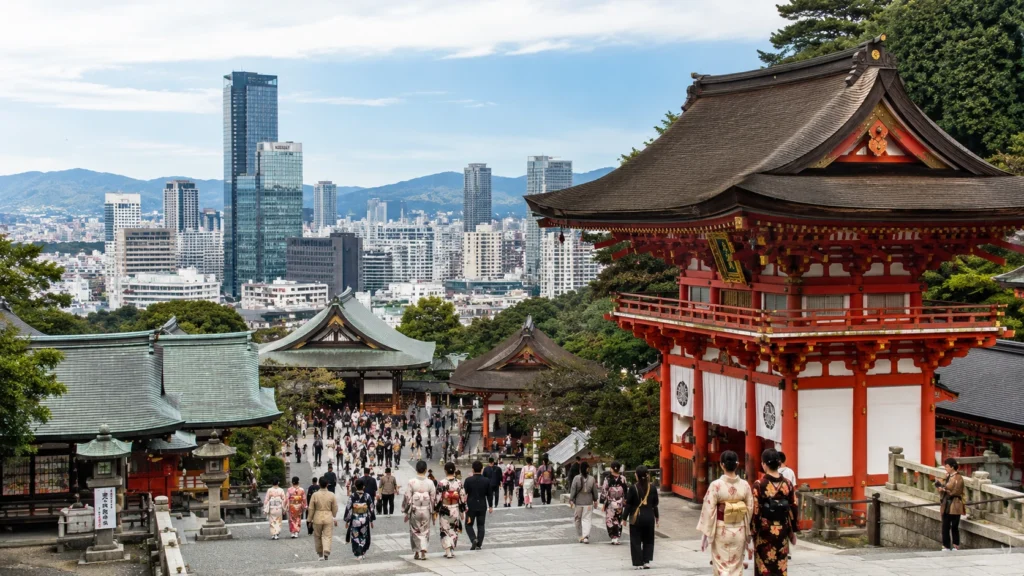

Japan is often recognized for its unique blend of ancient traditions and modern innovation. Visitors can experience centuries-old temples standing alongside futuristic cityscapes, traditional ceremonies taking place within technologically advanced societies, and customs that continue to influence daily life despite rapid modernization. This balance between tradition and progress is one of the reasons Japanese culture continues to fascinate travelers from around the world.
Beyond famous landmarks and popular attractions, understanding Japanese culture provides a deeper appreciation of the country itself. Many customs, social expectations, and everyday practices are rooted in values that have been developed over generations. These traditions influence how people interact, celebrate important occasions, and maintain harmony within their communities.
For travelers, learning about Japanese culture can transform an ordinary trip into a more meaningful experience. Even a basic understanding of local customs often helps visitors feel more connected to the places they visit and the people they encounter throughout their journey.
Why Japanese Culture Fascinates Visitors
One of the most distinctive aspects of Japanese culture is its ability to preserve tradition while embracing change. Historic shrines, seasonal festivals, traditional arts, and cultural practices continue to thrive alongside contemporary architecture, advanced transportation systems, and modern lifestyles.
Many visitors are also drawn to the emphasis on respect, consideration, and social harmony that can be observed throughout daily life. Whether using public transportation, visiting cultural sites, or interacting with local residents, travelers often notice a strong sense of order and mutual respect.
Another reason Japanese culture attracts global interest is its influence on food, design, entertainment, fashion, and popular media. While modern cultural exports have introduced Japan to international audiences, many travelers become interested in exploring the traditions and values that shape contemporary society.
Respect and Social Etiquette
Respect plays an important role in Japanese society and influences many aspects of everyday interaction. While visitors are not expected to fully understand every social custom, demonstrating politeness and consideration is generally appreciated.
Simple actions such as speaking quietly in public spaces, following local rules, waiting patiently in queues, and showing courtesy to others help create positive interactions. These behaviors reflect broader cultural values that emphasize harmony and awareness of those around us.
Travelers often find that observing local customs not only shows respect but also provides valuable insight into the social norms that help shape daily life throughout Japan.
Traditional Customs Still Practiced Today

Although Japan is known for innovation and modern development, many traditional customs remain visible in contemporary society. These practices continue to be passed from one generation to the next and remain an important part of cultural identity.
Bowing
Bowing is one of the most recognizable customs associated with Japanese culture. It is commonly used to greet people, express gratitude, show respect, and acknowledge others in both formal and informal situations.
The depth and duration of a bow may vary depending on the situation, but visitors are generally not expected to master every nuance. A simple and respectful bow is often appreciated and demonstrates cultural awareness.
Removing Shoes
Removing shoes before entering certain indoor spaces remains a common practice throughout Japan. Homes, traditional accommodations, temples, and some restaurants may require visitors to change into indoor slippers or walk without outdoor footwear.
This custom helps maintain cleanliness while reflecting traditional values associated with living spaces. Visitors can usually identify these areas through designated entryways and provided footwear.
Gift Giving
Gift giving has long been an important aspect of Japanese culture. Gifts are often exchanged to express gratitude, celebrate special occasions, strengthen relationships, or acknowledge hospitality.
The presentation of a gift is frequently considered just as important as the gift itself. Thoughtful packaging and careful presentation reflect the value placed on consideration and attention to detail.
Related Reading: Japanese Festivals Guide
Seasonal Traditions and Celebrations
Seasonal awareness is deeply embedded in Japanese culture and influences everything from festivals and cuisine to art and daily life. Rather than viewing the year as a continuous cycle, many traditions place special emphasis on the unique characteristics of each season.
Spring is celebrated through cherry blossom viewing gatherings, while summer brings vibrant festivals, fireworks displays, and seasonal foods. Autumn is often associated with harvest traditions, cultural events, and appreciation of colorful foliage. Winter introduces its own customs, including illumination displays, seasonal celebrations, and regional events that embrace snowy landscapes.
This strong connection to nature has shaped Japanese customs for centuries. Seasonal changes are often reflected in decorations, traditional arts, local cuisine, and even the way people travel throughout the country.
For visitors, experiencing Japan during different seasons can reveal distinct aspects of local culture. The atmosphere, activities, and traditions often change dramatically throughout the year, creating opportunities for new experiences regardless of when a trip takes place.
The Role of Food in Japanese Culture
Food is more than a daily necessity in Japan. It serves as an important expression of culture, history, regional identity, and seasonal appreciation. Traditional cuisine often emphasizes balance, presentation, and the use of fresh ingredients that reflect the time of year.
Many regional specialties have developed over generations and continue to play an important role in local communities. Travelers frequently discover that culinary experiences vary significantly from one region to another, providing insight into local traditions and lifestyles.
Presentation is also highly valued. Whether enjoying a simple meal or a formal dining experience, attention to detail often reflects broader cultural principles that emphasize care, respect, and craftsmanship.
Beyond restaurants and traditional cuisine, food also plays a central role in festivals, family gatherings, seasonal celebrations, and everyday social interactions. As a result, exploring Japanese food culture often provides a deeper understanding of the country’s traditions and values.
Related Reading: What to Eat in Japan
Modern Life and Traditional Values

One of the most fascinating aspects of Japanese culture is the way traditional values continue to influence modern life. While Japan is known for advanced technology, efficient infrastructure, and contemporary urban development, many long-standing customs remain relevant in everyday society.
Respect for others, attention to detail, and a strong sense of responsibility can often be observed in workplaces, schools, public transportation systems, and community life. These values help create the orderly and considerate environment that many visitors notice during their travels.
At the same time, younger generations continue to shape modern culture through fashion, entertainment, digital media, and creative industries. This coexistence of tradition and innovation allows Japan to maintain its cultural identity while adapting to changing social and economic realities.
Regional differences also contribute to the diversity of cultural experiences available throughout the country. Travelers exploring northern Japan, for example, may encounter customs and seasonal traditions that differ from those found in major metropolitan areas further south.
Many visitors interested in cultural exploration choose to spend time beyond the country’s largest cities. In Hokkaido, cultural attractions, seasonal festivals, local cuisine, and historical influences create opportunities to experience a different side of Japan. After a day of exploring museums, traditional sites, and local neighborhoods, some travelers enjoy staying at a premium sapporo luxury hotel for cultural travelers, combining cultural discovery with modern comfort and convenience.
The ability to experience both traditional customs and contemporary lifestyles within the same journey remains one of the defining characteristics of travel in Japan.
Cultural Tips for First Time Visitors
Travelers do not need to become experts in Japanese customs before visiting the country. However, understanding a few basic cultural principles can help create more positive interactions and demonstrate respect for local traditions.
Observing how local residents behave in public spaces is often one of the best ways to learn. Paying attention to queue etiquette, noise levels, and social interactions can provide valuable insight into cultural expectations without requiring extensive preparation.
Visitors should also remember that politeness and consideration are generally appreciated more than perfect knowledge of cultural rules. Simple gestures such as expressing gratitude, being patient, and showing respect for local customs often leave a positive impression.
Keeping an open mind is equally important. Some customs may initially feel unfamiliar, but approaching new experiences with curiosity often leads to a deeper appreciation of Japanese culture and traditions.
Frequently Asked Questions
What Is Japanese Culture Best Known For?
Japanese culture is widely known for its blend of traditional customs and modern innovation. It is often associated with respect, social harmony, seasonal traditions, historic arts, cuisine, festivals, and unique cultural practices that continue to influence daily life.
Why Is Respect Important in Japanese Culture?
Respect helps maintain positive relationships and social harmony within communities. This value influences communication styles, public behavior, workplace interactions, and many traditional customs practiced throughout Japan.
Do Visitors Need to Follow Every Cultural Rule?
No. Visitors are not expected to understand every custom. Demonstrating politeness, patience, and a willingness to learn is generally more important than perfect knowledge of cultural etiquette.
Why Do People Remove Their Shoes in Japan?
Removing shoes helps maintain cleanliness inside homes, traditional accommodations, temples, and certain establishments. This practice remains an important custom in many parts of Japanese society.
How Does Seasonality Influence Japanese Culture?
Seasonal changes influence festivals, cuisine, travel, art, and many traditional customs. Appreciation for nature and seasonal transitions remains an important aspect of cultural life throughout the country.
What Role Does Food Play in Japanese Culture?
Food reflects regional identity, seasonal traditions, craftsmanship, and cultural values. Dining experiences often emphasize presentation, balance, and respect for ingredients, making cuisine an important part of cultural expression.
Can Traditional and Modern Culture Be Experienced Together?
Yes. One of the defining characteristics of Japan is the coexistence of tradition and innovation. Visitors can experience historic temples, cultural customs, modern architecture, advanced technology, and contemporary lifestyles during the same trip.
Experiencing Japanese Culture Beyond Tourist Attractions
Understanding Japanese culture involves more than visiting famous landmarks or attending major attractions. It is often the everyday experiences, social customs, seasonal traditions, and interactions with local communities that provide the most meaningful insights into life in Japan.
From bowing etiquette and gift giving traditions to seasonal celebrations and regional customs, cultural practices continue to shape daily life throughout the country. These traditions help preserve a sense of identity while allowing Japan to remain one of the world’s most modern and innovative societies.
For travelers willing to look beyond the surface, exploring Japanese culture can become one of the most rewarding aspects of a journey. By approaching new experiences with curiosity, respect, and an open mind, visitors often gain a deeper appreciation for the traditions, values, and perspectives that continue to influence Japan today.


