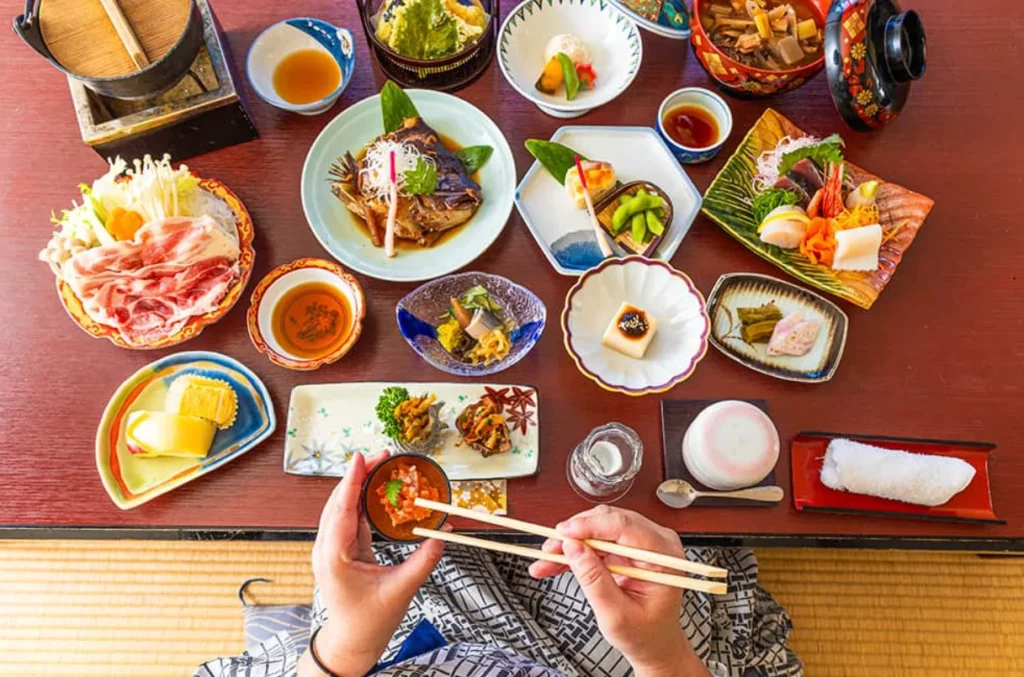

Food is one of the best ways to understand Japan beyond its famous landmarks. Every meal reflects centuries of history, regional traditions, and a deep appreciation for seasonal ingredients. Whether you’re dining at a neighborhood restaurant, visiting a traditional market, or enjoying a carefully prepared multi-course meal, Japanese cuisine offers experiences that go far beyond satisfying your appetite.
While dishes such as sushi and ramen are recognized worldwide, they represent only a small part of Japan’s diverse culinary heritage. Exploring local specialties allows travelers to discover the country’s unique culture through flavors, cooking techniques, and dining customs that have been preserved for generations.
Traditional Dishes That Define Japanese Cuisine
Japan’s traditional cuisine emphasizes balance, freshness, and presentation. Many classic dishes have become cultural symbols because they showcase local ingredients while respecting long-established cooking traditions.
Sushi Beyond the Famous Rolls

Sushi is often the first dish people associate with Japan, but authentic sushi is much more diverse than the rolls commonly found overseas. From delicate nigiri topped with fresh seafood to chirashi bowls filled with seasonal ingredients, every region offers its own interpretation of this iconic cuisine.
Read Also: Japanese Ramen Guide
Tempura Made with Seasonal Ingredients
Tempura highlights Japan’s philosophy of letting natural flavors shine. Fresh seafood and vegetables are coated in a light batter before being fried until perfectly crisp. Rather than feeling heavy, well-prepared tempura is delicate and complements the changing ingredients available throughout the year.
Read Also: Best Places to Visit in Japan
Regional Specialties Worth Discovering
Traveling between regions introduces visitors to entirely different culinary traditions. Local ingredients, climate, and history all influence what appears on the table, making regional specialties an important part of any food-focused itinerary.
Enjoy Wagyu Beef in Its Place of Origin
Japan is home to several famous wagyu varieties, each known for exceptional marbling and tenderness. Depending on the region you visit, you may have the opportunity to enjoy different styles prepared as steak, sukiyaki, or shabu-shabu, each highlighting the quality of the beef in its own way.
Read Also: Japan Cultural Experiences
Taste Local Street Food

Street food offers another window into everyday life in Japan. Popular snacks such as takoyaki, yakitori, taiyaki, and okonomiyaki are commonly found near shopping districts and seasonal festivals, making them easy to enjoy while exploring different cities.
Read Also: Things to Do in Japan Beyond the Tourist Attractions
Food Experiences That Reflect Japanese Culture
Japanese cuisine is more than a collection of popular dishes. The way food is prepared, presented, and enjoyed reflects values such as respect for seasonal ingredients, attention to detail, and hospitality. Experiencing these traditions adds another dimension to any trip through Japan.
Try a Traditional Kaiseki Meal
Kaiseki is a multi-course dining experience that celebrates seasonal ingredients and artistic presentation. Each course is carefully prepared to showcase balance, texture, and flavor, making it one of the finest examples of Japanese culinary craftsmanship. Although often associated with luxury ryokan and fine dining restaurants, kaiseki also provides valuable insight into Japan’s cultural appreciation of food.
Read Also: Where to Stay in Japan
Visit a Traditional Izakaya
An izakaya offers a casual dining atmosphere where friends and colleagues gather to share a variety of small dishes. Menus often include grilled skewers, fresh sashimi, fried specialties, and seasonal vegetables, allowing diners to sample different flavors in one meal. Visiting an izakaya is an excellent way to experience everyday Japanese dining culture.
Read Also: Japan Family Travel
Seasonal Foods You Shouldn’t Miss
Japan’s changing seasons influence not only the scenery but also the food available throughout the year. Many restaurants adjust their menus to feature ingredients at their peak, giving travelers the opportunity to enjoy flavors that are closely connected to each season.
Spring and Summer Specialties
Spring brings fresh bamboo shoots, mountain vegetables, and delicate sweets inspired by cherry blossoms. During summer, lighter dishes such as chilled noodles and refreshing desserts become popular, helping people stay comfortable in warmer weather while enjoying seasonal ingredients.
Festival Foods
Food stalls are an essential part of many Japanese festivals, offering classic treats such as yakisoba, grilled corn, candied fruit, and taiyaki. These dishes are closely connected to local celebrations and provide visitors with an authentic taste of community traditions. Learning about these culinary customs also offers a deeper understanding of how food and culture are closely linked throughout Japan. For a closer look at the customs, celebrations, and traditions behind these seasonal events, this Japanese culture and traditions guide provides valuable insights before your trip.
Read Also: Things to Do in Japan Beyond the Tourist Attractions
Tips for Enjoying Japanese Food Like a Local
You don’t need to dine exclusively at famous restaurants to enjoy memorable meals in Japan. Some of the country’s best culinary experiences can be found in neighborhood eateries, family-owned restaurants, and local markets where recipes have been passed down through generations. Keeping an open mind and trying unfamiliar dishes often leads to the most rewarding discoveries.
Be Open to Regional Specialties
Each region has its own signature dishes, shaped by local ingredients and traditions. Rather than ordering the same meal throughout your trip, take the opportunity to sample specialties unique to each destination. This approach not only broadens your culinary experience but also offers a deeper understanding of Japan’s regional diversity.
Read Also: Best Places to Visit in Japan
Respect Local Dining Etiquette
Simple gestures such as saying “Itadakimasu” before a meal and “Gochisosama deshita” afterward demonstrate appreciation for the food and the people who prepared it. Observing local dining etiquette, even in small ways, helps create a more respectful and meaningful travel experience.
Read Also: Japan Cultural Experiences
Conclusion
Exploring Japanese cuisine is one of the most rewarding parts of visiting the country. From traditional dishes and regional specialties to seasonal ingredients and everyday dining customs, every meal offers an opportunity to learn more about Japan’s history, culture, and way of life.
Rather than focusing only on internationally famous dishes, take time to experience local flavors, family-run restaurants, and seasonal foods wherever you travel. These authentic culinary experiences will leave lasting memories and provide a deeper connection to Japanese culture.
Frequently Asked Questions
What food should I try first in Japan?
Sushi, ramen, tempura, wagyu beef, and regional street food are excellent starting points for first-time visitors looking to experience authentic Japanese cuisine.
Is Japanese food different in each region?
Yes. Every region has its own specialties, influenced by local ingredients, climate, and culinary traditions, making regional cuisine an important part of traveling in Japan.
What is kaiseki cuisine?
Kaiseki is a traditional multi-course Japanese meal that showcases seasonal ingredients, careful presentation, and balanced flavors. It is considered one of Japan’s highest culinary traditions.
Where can I find authentic Japanese food?
Authentic Japanese cuisine can be enjoyed at local restaurants, traditional inns, neighborhood izakaya, food markets, and seasonal festivals throughout the country.


